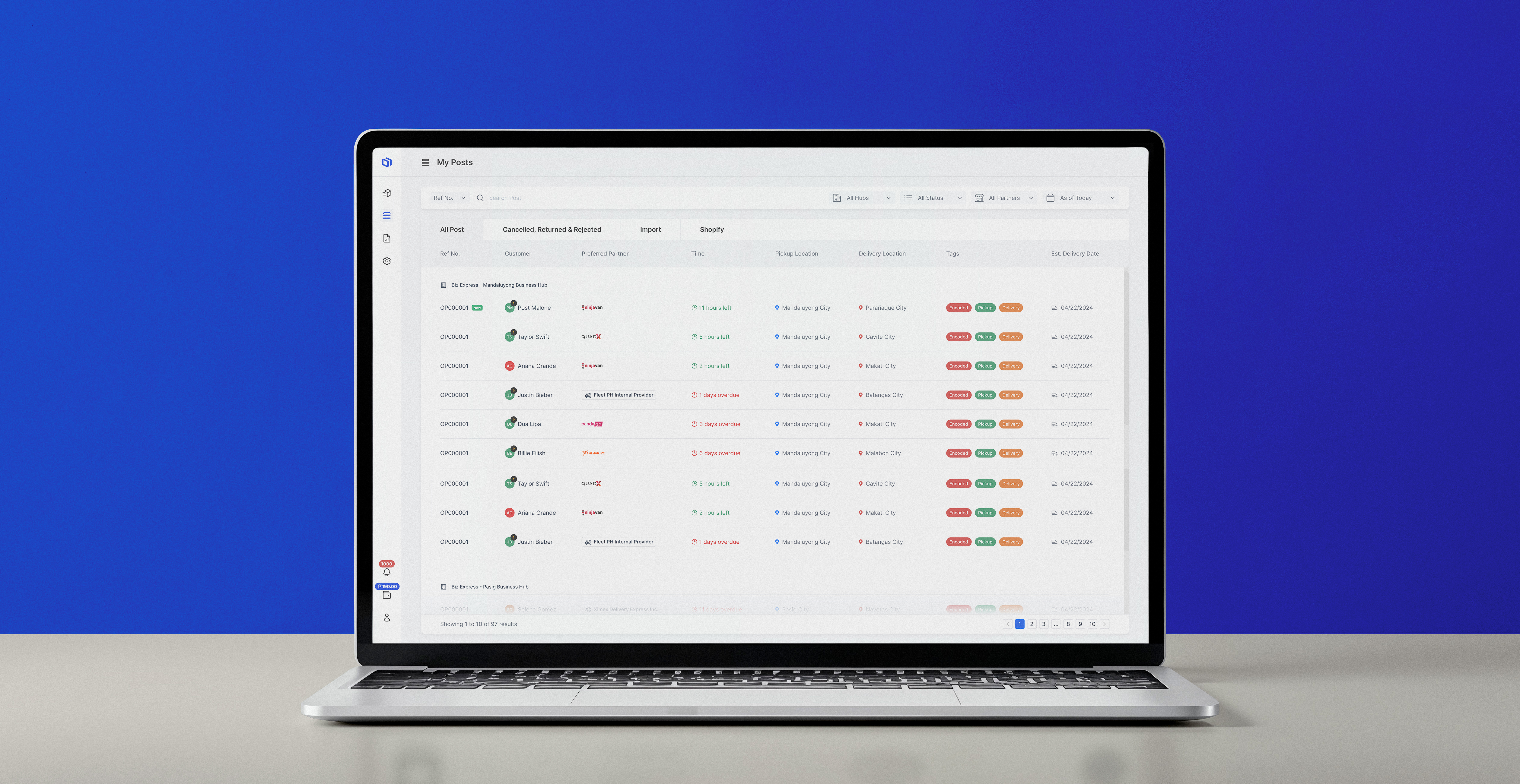
Built for businesses that ship at volume, Deliveries supports manual booking, bulk import, and API integration, alongside live rate comparison across delivery providers. Automated rebooking cycles kick in if a primary provider is unavailable, and every shipment rolls up into one consolidated monthly invoice.
The platform covers both on-demand and scheduled deliveries, serving e-commerce, restaurants, FMCG, logistics, and warehousing teams who need visibility across providers without juggling multiple logins.
The challenge here was never the idea — one dashboard instead of a dozen courier apps is a real advantage. Reviewing the live product surfaced four specific pains this redesign had to answer, in order of how directly they show up in the booking flow.
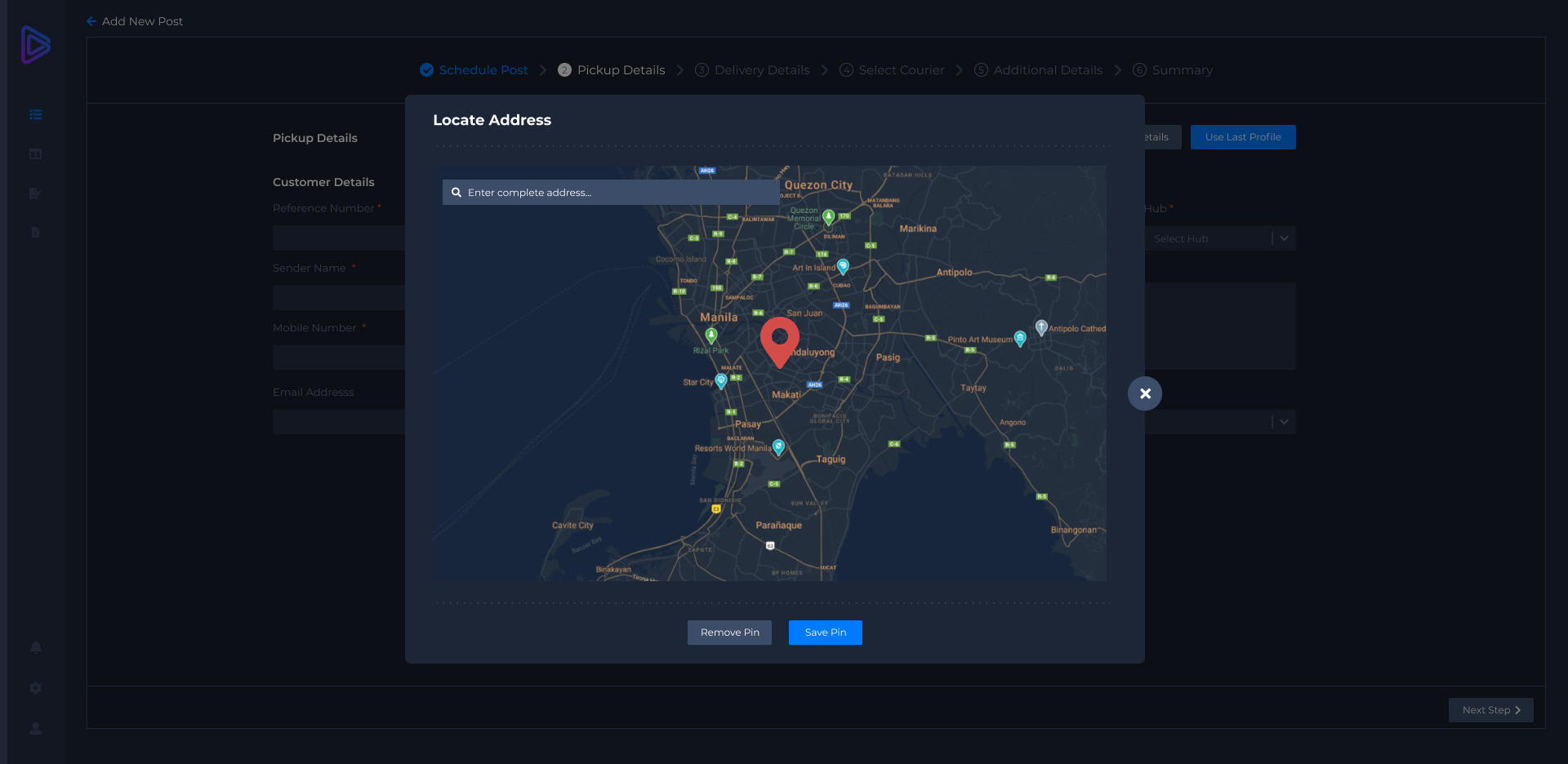
The live booking form asks for a reference number, hub, pickup, drop-off, vehicle, and item details in one long scroll — the same 12+ fields, every single time, with no shortcut for a route booked yesterday.
Verified on screenProvider choice, address entry, and delay detection are entirely manual at every step — nothing in the product learns from the hundreds of past bookings already sitting in the account.
No batch dispatch, no multi-stop route optimization, no proof-of-delivery capture — capabilities increasingly standard in modern logistics tooling aren't visible in the product.
Small body text, low-contrast gray status labels, inconsistent color use, and a dense layout with little breathing room — the aesthetics haven't been revisited in some time.
Verified on screen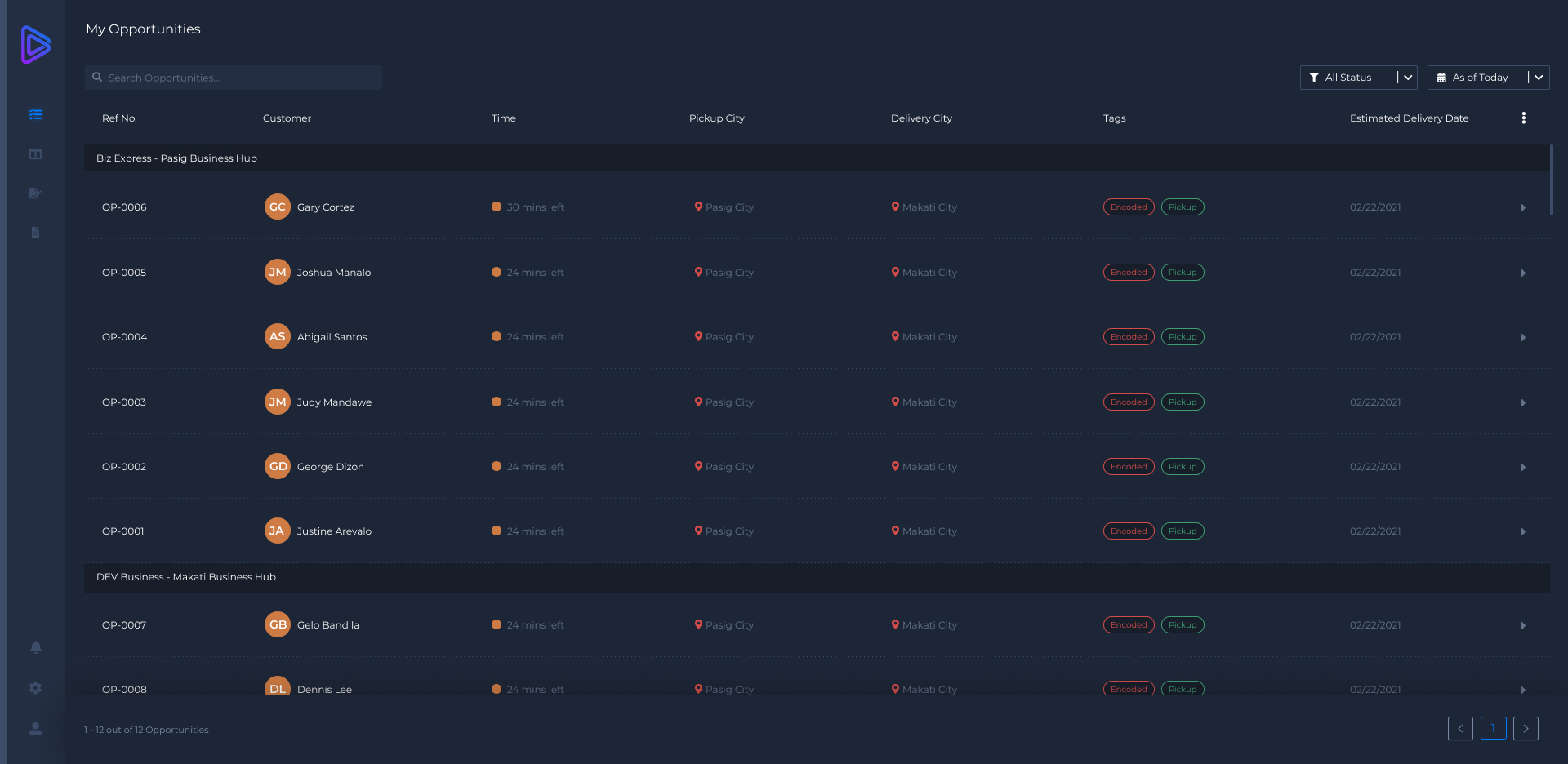
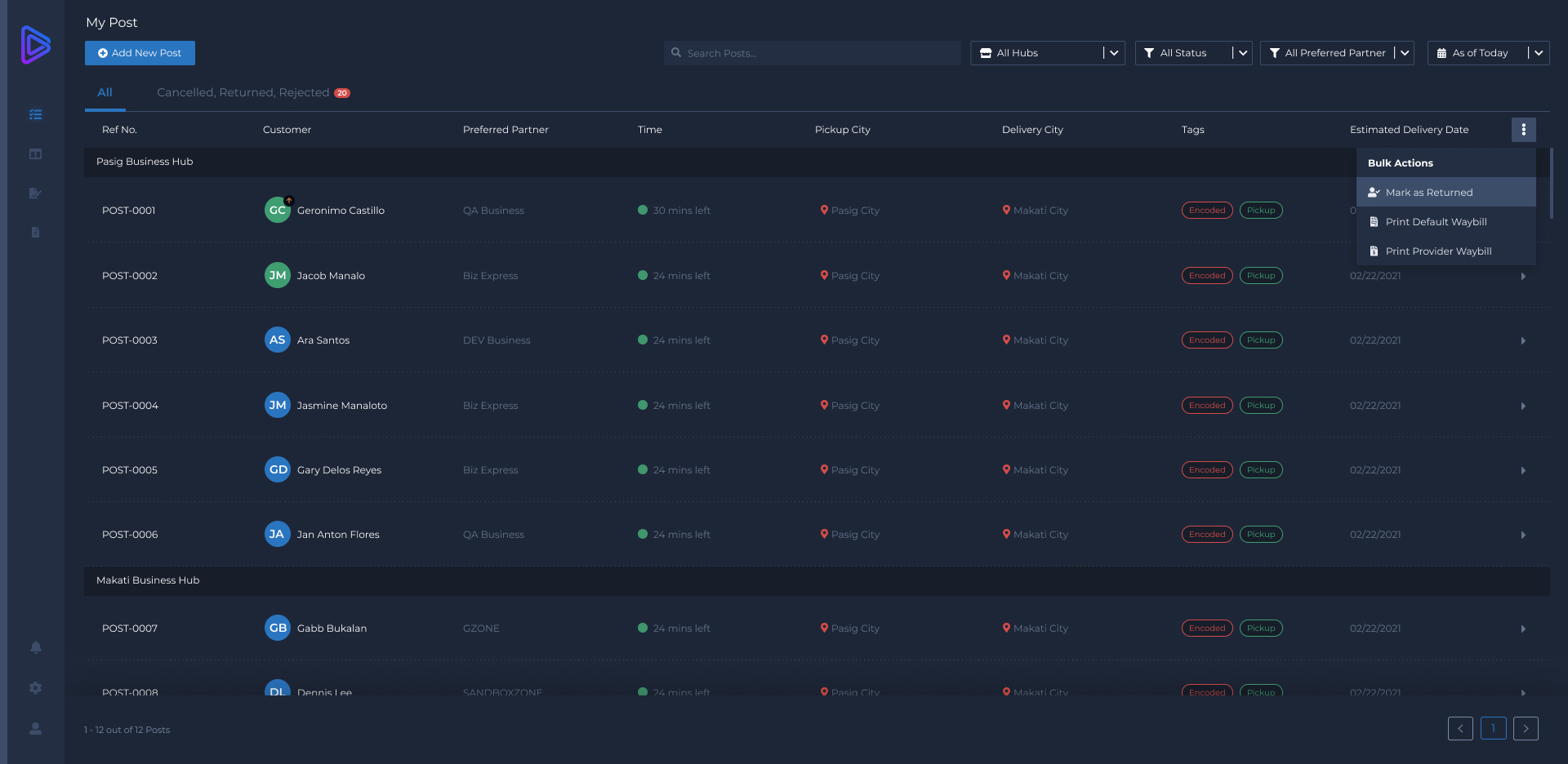
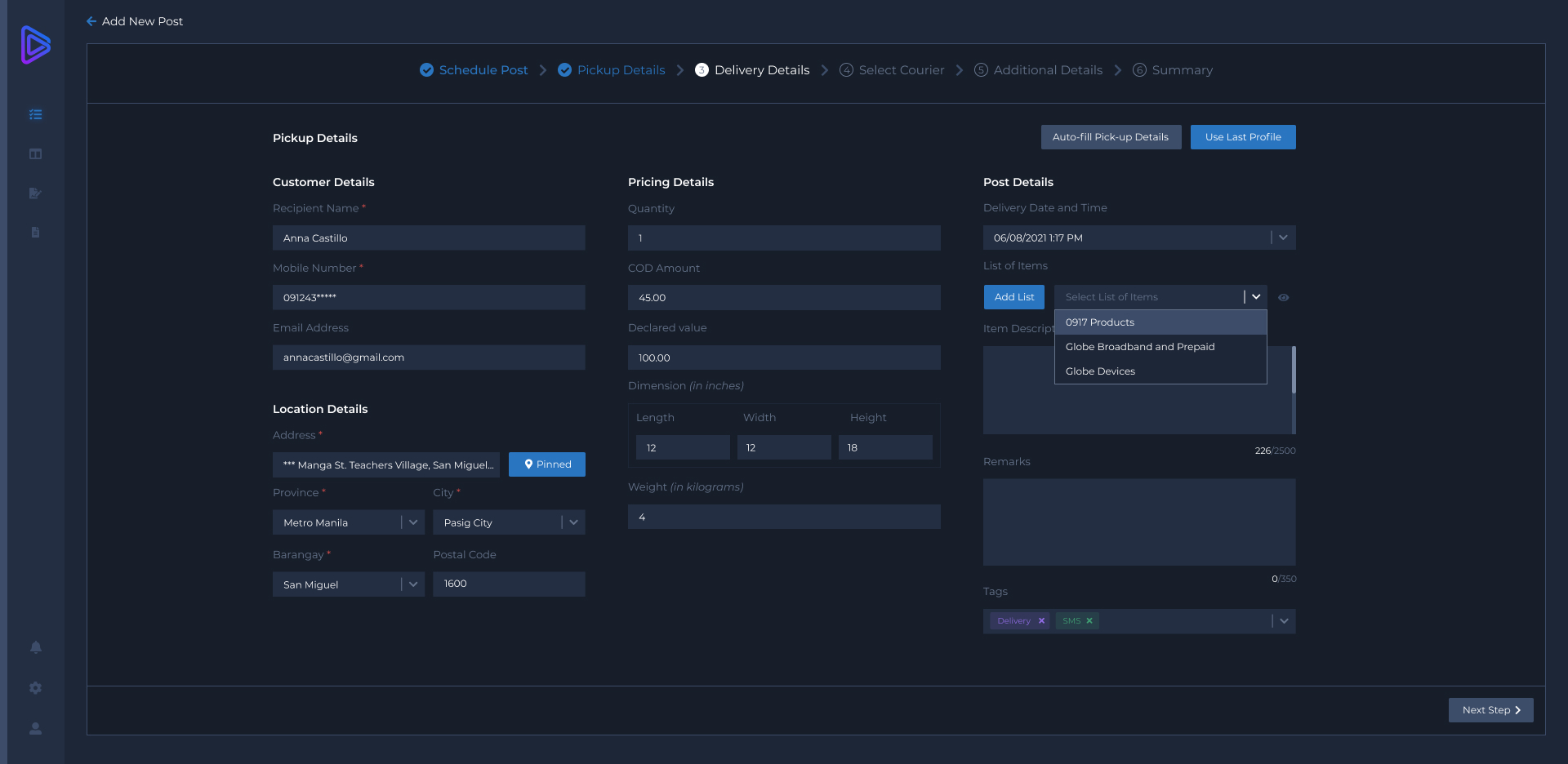
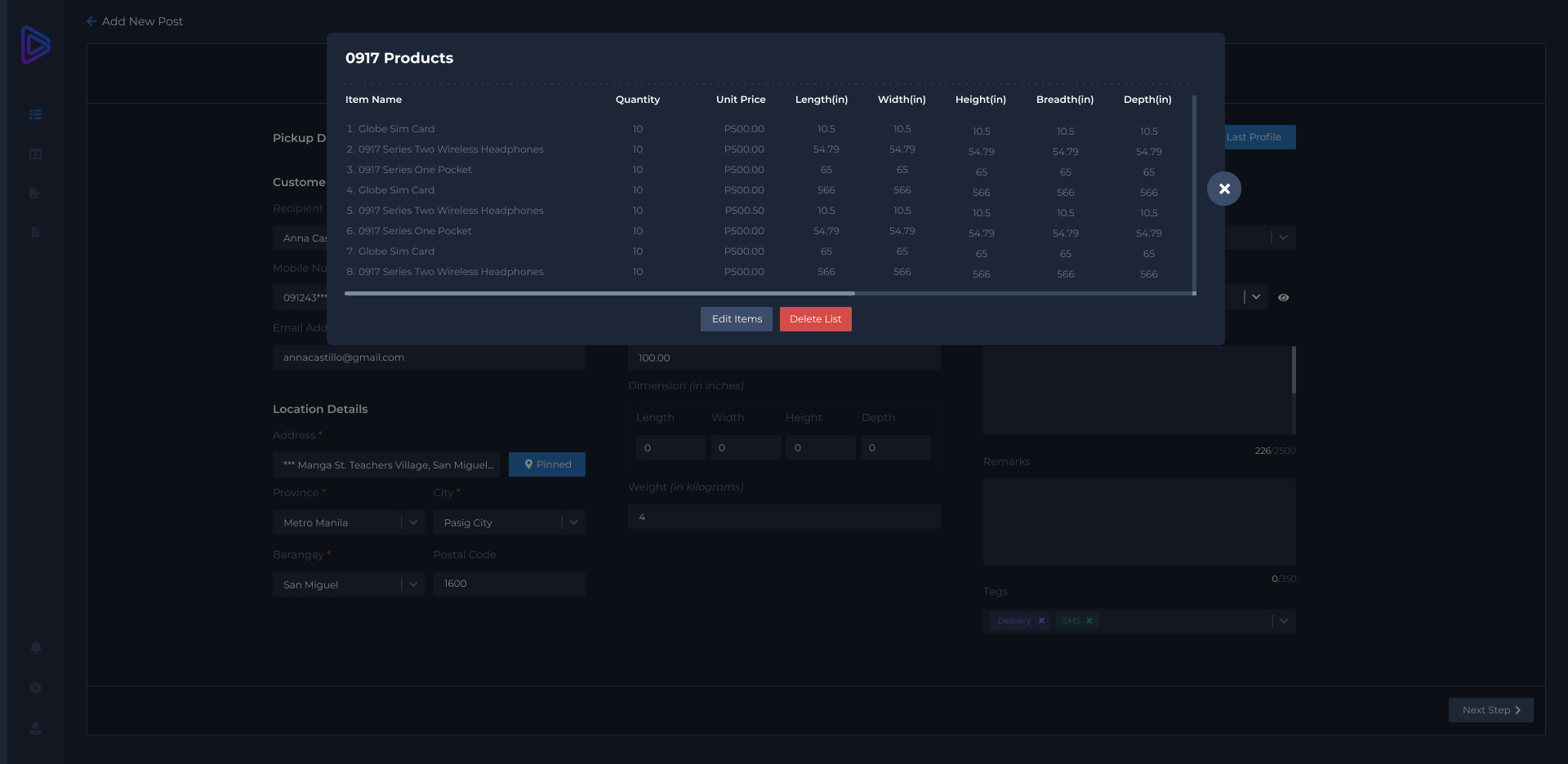
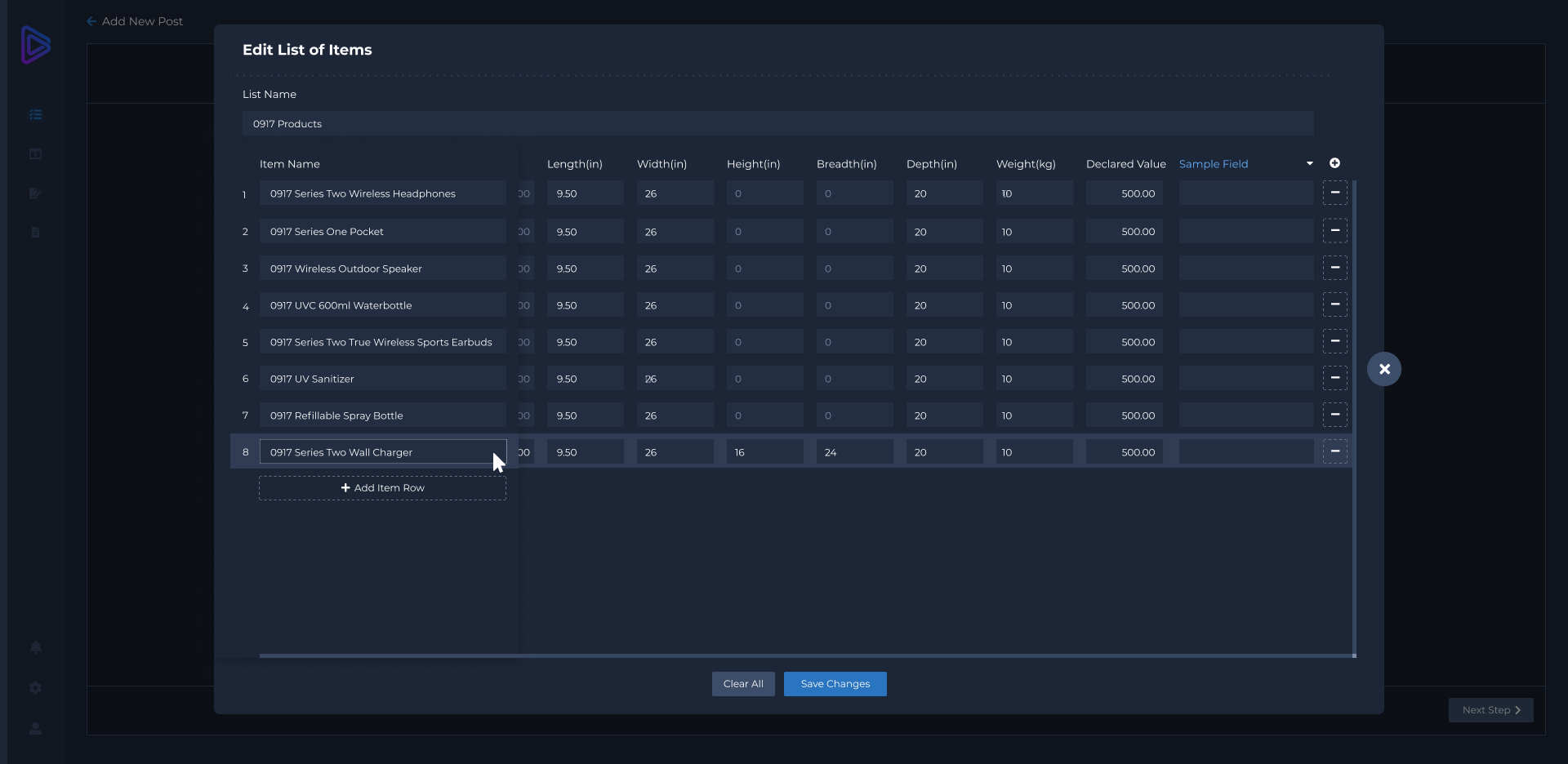
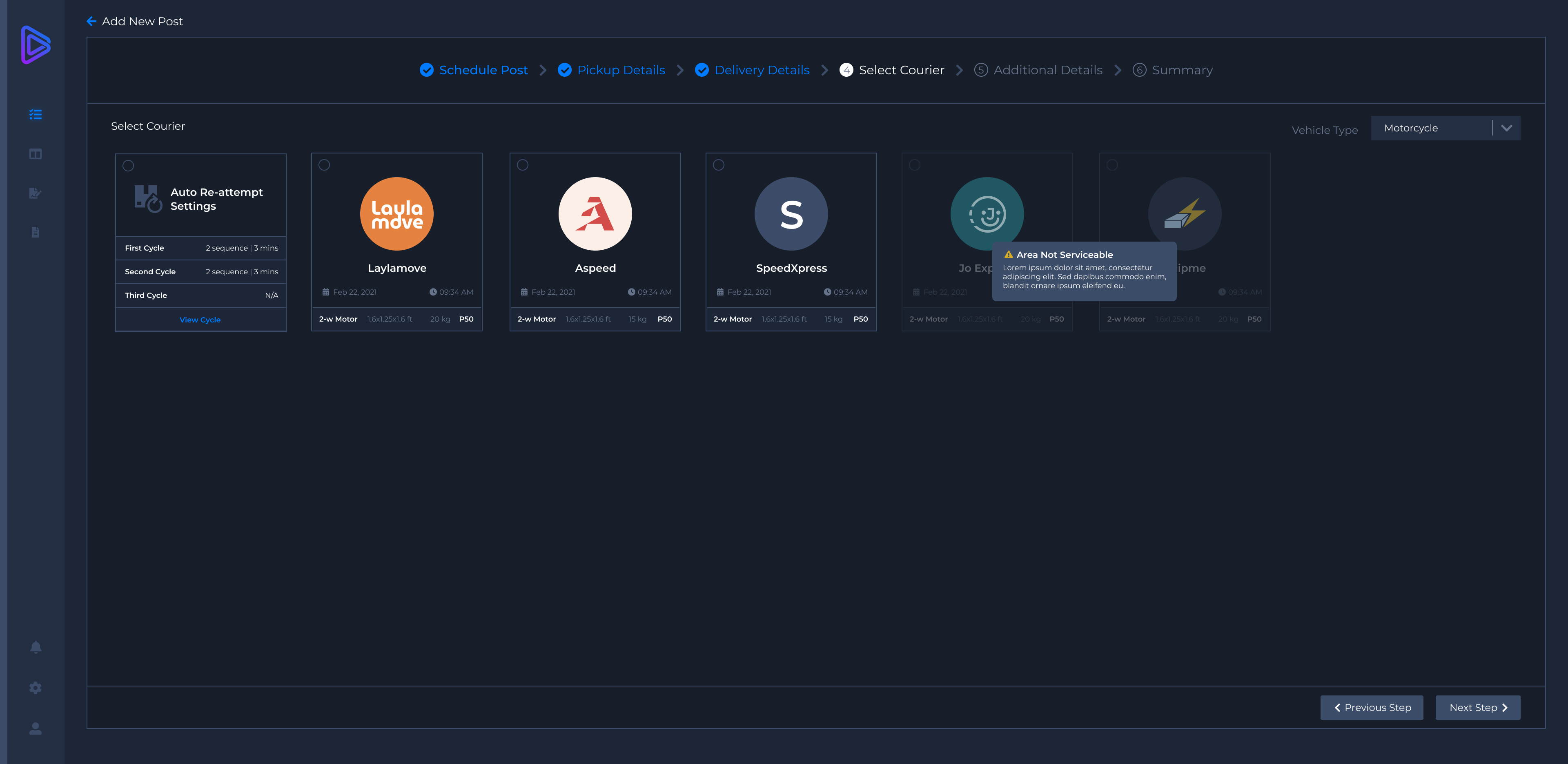
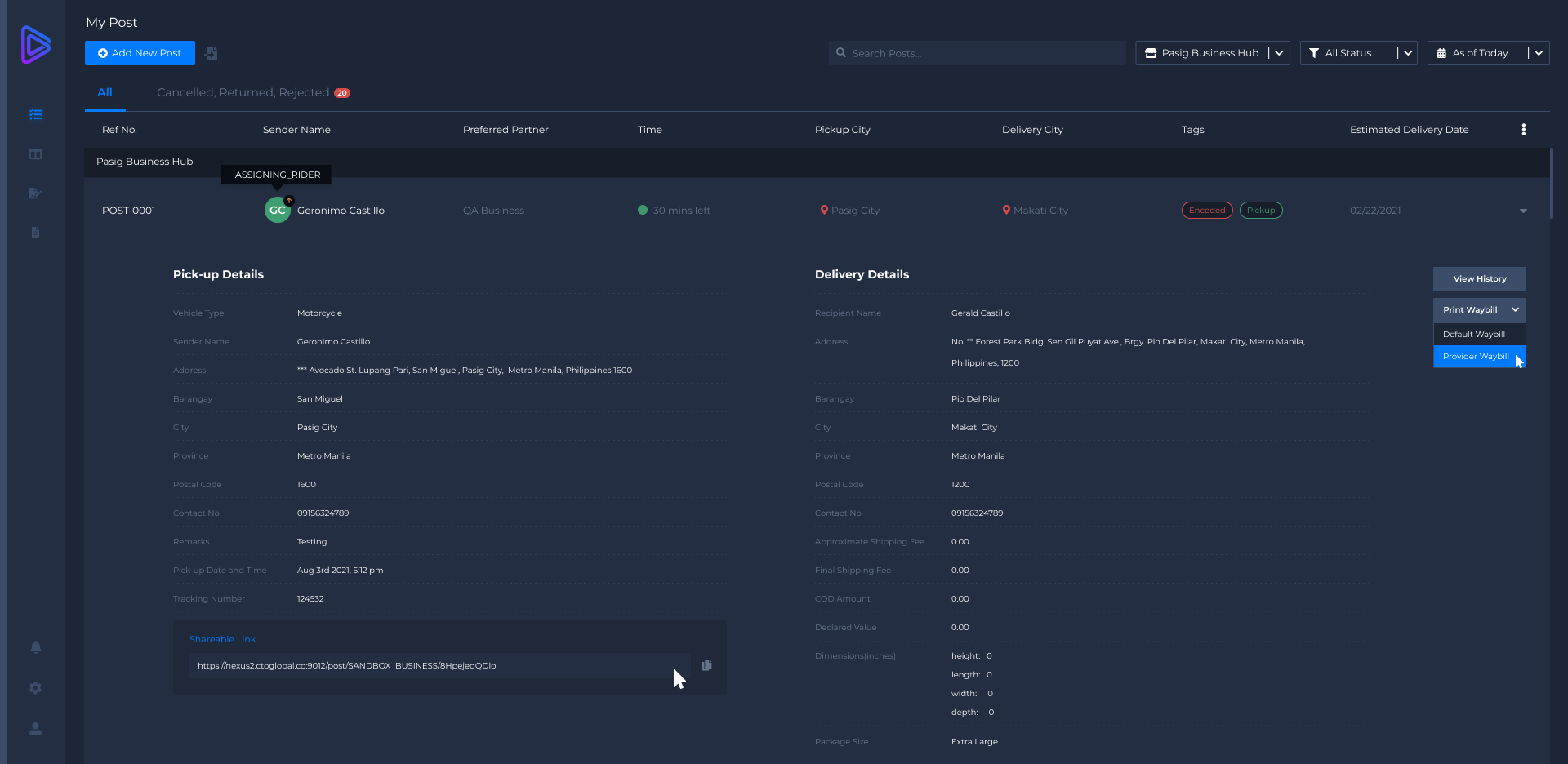
A new dashboard leads with what needs attention instead of a raw list; booking collapses from twelve fields into a short, auto-filling flow; providers are ranked by real on-time performance instead of picked manually; batch dispatch lets operators act on multiple deliveries at once; delays get flagged before they're late instead of after; and reporting speaks in plain language instead of raw tables. A lightweight personalization layer ties it together — remembered routes, performance-based rankings, predictive delay flags, and pattern detection across exceptions — paired with a visual system built around one accent color, a reserved status palette, and larger, higher-contrast type designed to hold up across an eight-hour shift.